Tourism
07-30
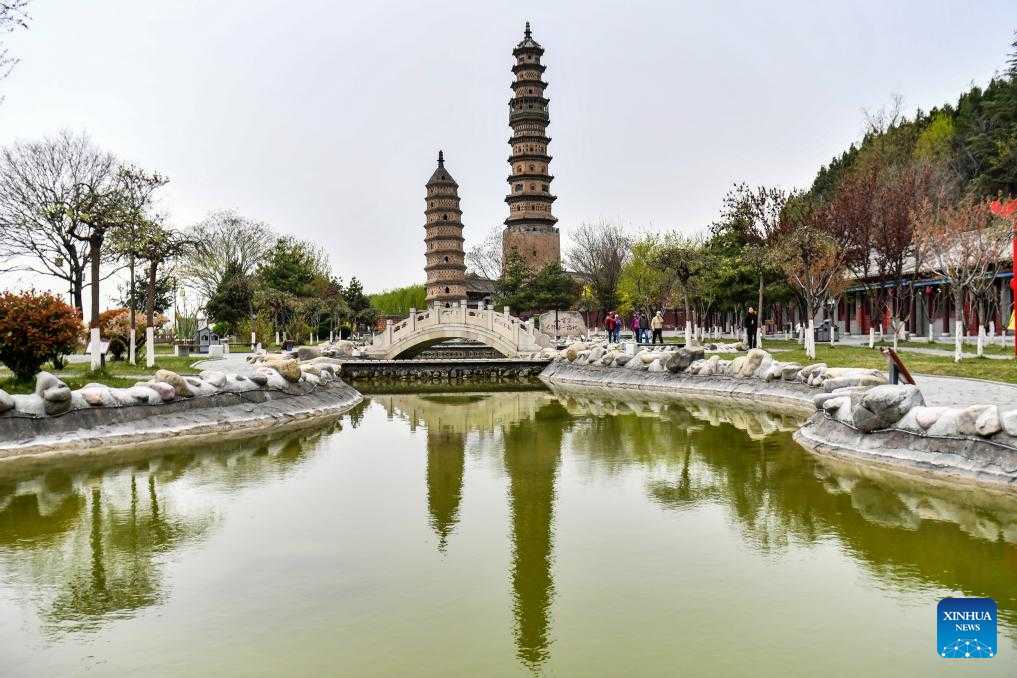
Tiefo Temple is named after an iron Buddha enshrined in the 7th year of Dading Period of the Jin Dynasty (AD 1167). The Main Hall was built in the Jin Dynasty and underwent multiple renovations throughout dynasties.
02-18
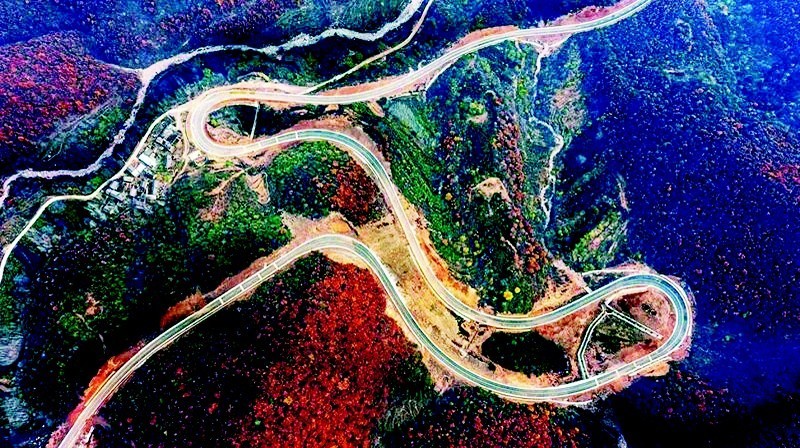
Taihang No 1 Tourist Highway stretches from Pingxingguan Pass in Fanshi county, Xinzhou, in the north to Xihonghong village in Yuanqu county, Yuncheng, in the south, passing through six cities including Taiyuan, Yangquan, Jinzhong, Changzhi, and Jincheng.

08-18
Jueshan Mountain on the south bank of the Danhe River in southeast of Jincheng city has two peaks with the altitude of the main peak being 973 meters.

08-19
Guoyu Ancient City is a castle constructed in the early Tang Dynasty (618-907) at the foot of the Taihang Mountains, in an area administered by Yangcheng county in North China's Shanxi province.

01-24
The Nine Female Immortal Lake Scenic Area, 30 km from Jincheng City to the east, 20 km from Yangcheng County to the west, is one of the important natural scenery tourist attractions in Jincheng City.

01-24
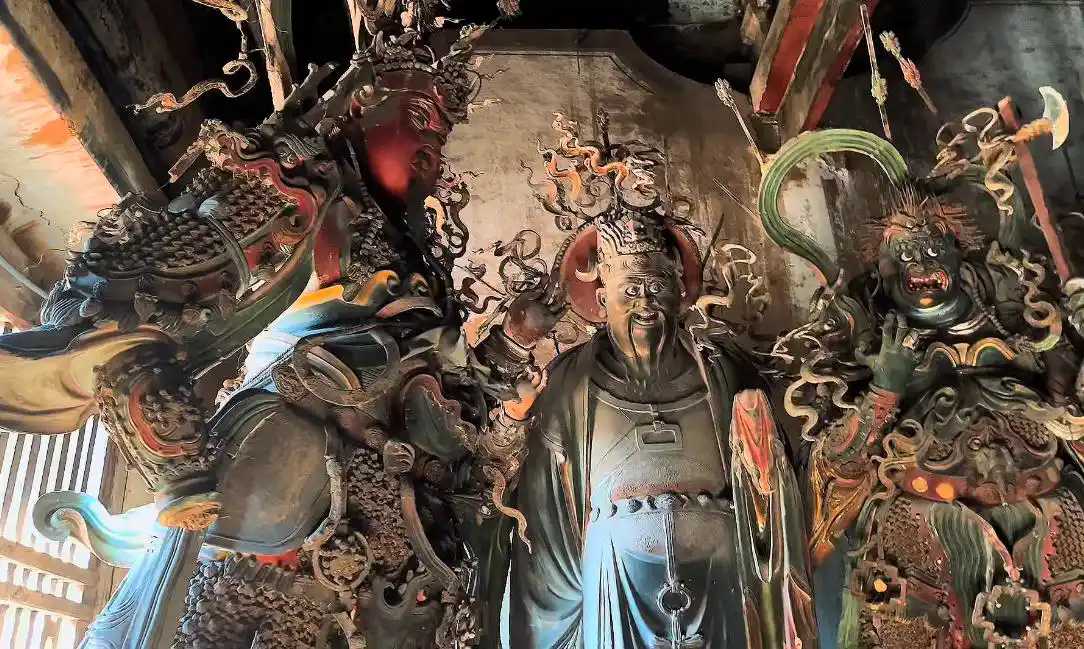
Jade Emperor Temple is the largest and most influential Taoist temple in ancient Zezhou. There are 300 clay sculptures of Taoist Gods in the temple, which form a system and they also display the God system of the Taoism in China, especially the 28 clay sculptures.
01-24
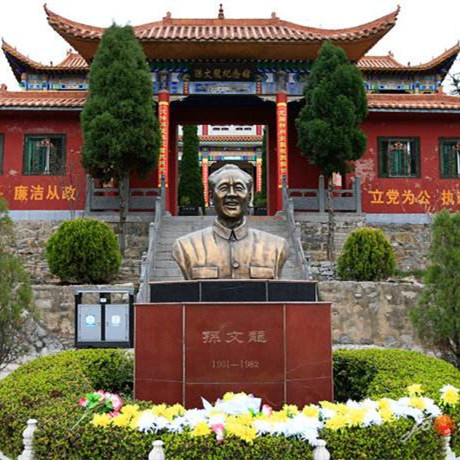
There was once such a person that he thought forwardly and began to plant apples on the ground of Sitou Town in Yangcheng County unprecedentedly, as a result, he planted the Money Tree for the local people; he planted white mulberry and bred silkworm, so that Yangcheng became the “head of Shanxi and top of North China”; he dared to try and innovate boldly, and succeeded in plant cotton experimentally in the highly cold mountain area, thus he was received and praised by Premier Zhou.
01-24
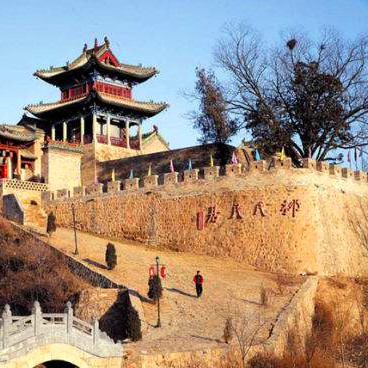
The West Wenxing Village has beautiful scenery and pleasant landscapes all the year round. It is called as a “mountain embraced village” because of the trees surrounding the rows of houses in the south, tall and graceful Lutai, and being embraced on both the east and the west.